the digital hālau
Digital Storytelling & Workforce Initiative
The Wiliwili Foundationʻs Digital Hālau is our answer to the Workforce Development Crisis throughout the Hawaiian Islands.
The Digital Hālau is a six-week VFX and digital production intensive — focusing on hands on learning, mentorship and social capital to secure careers in the Digital FX world.
The global creator economy is expanding, and the demand for authentic indigenous content has never been higher and with the passing of Bill SB2578, Hawaii is on the forefront to become a powerhouse Film Alliance.
The Mission
To empower Native Hawaiian communities with access to technical training, mentorship, and careers by providing the infrastructure, education, and market access necessary to lead the global indigenous storytelling movement.
The Challenge:
The "Analog Gap"
Native Hawaiians are the world’s greatest storytellers, yet we are significantly underrepresented in the high-growth creative tech sector.
Economic Disparity: The islands of Hawaiʻi communities face limited high-wage job opportunities.
Cultural Extraction: Indigenous stories are frequently commercialized by outside entities, leaving the community with zero equity or IP.
The Solution:
The Three-Branch Model
Direct Infrastructure (The Fund): We provide classroom and initiatives to train the next generation of DFX storytellers.
Workforce Pipeline (The Education): A 6-week intensive bootcamp in digital media, VFX, and data stewardship, leading to industry-recognized certifications.
The Collective (The Career): A referral & mentorship agency bringing high paying remote careers to Hawaii.
The Vision: To empower Native Hawaiian communities with "Digital Sovereignty" by providing the technology and training necessary to transform oral histories into high-value digital media assets.
The Goal: By 2027, the program aims to train 100 indigenous creators, providing them with industry-recognized certifications and high-speed tech kits, effectively creating a sustainable "Creative Economy" within Hawaiian upper education systems.
Meet our Advisors
-

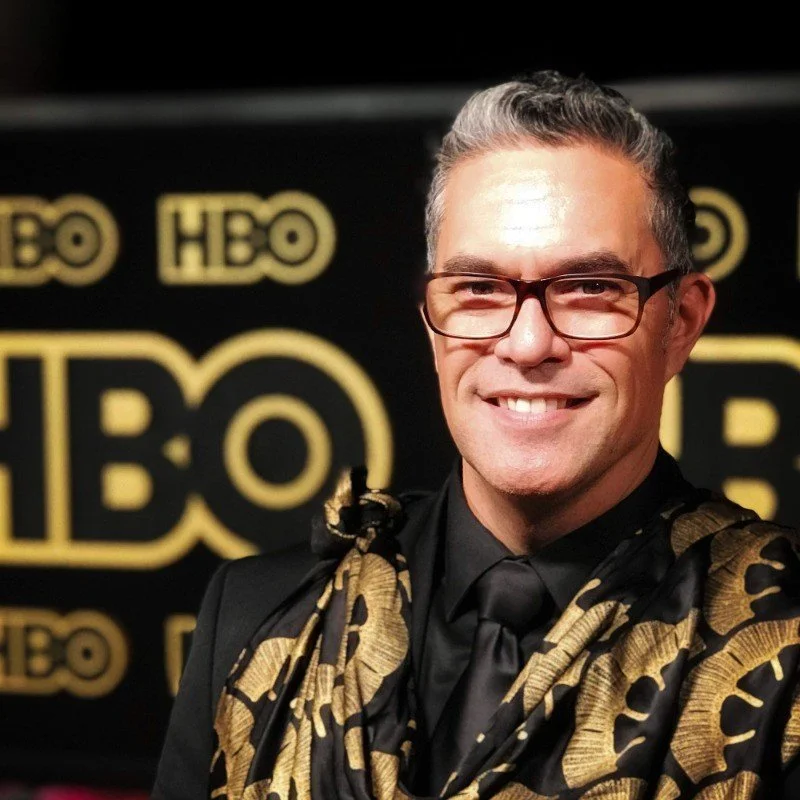
Kama Mōʻihā
Kama Moiha is a veteran VFX Supervisor whose portfolio spans over 30 major projects for global giants like Disney, Sony, and Warner Bros. A standout in the field, his technical artistry earned him an Emmy nomination for his work on Westworld. Kama’s leadership philosophy is rooted in clear communication and mentorship, skills honed through years of directing complex pipelines at studios like Method and Cinesite.
At the heart of his professional journey is a profound dedication to his culture. Kama is driven by a mission to give back to the Lāhui, integrating his cultural values into his leadership style and striving to create opportunities that empower the Hawaiian community within the global entertainment industry.
-
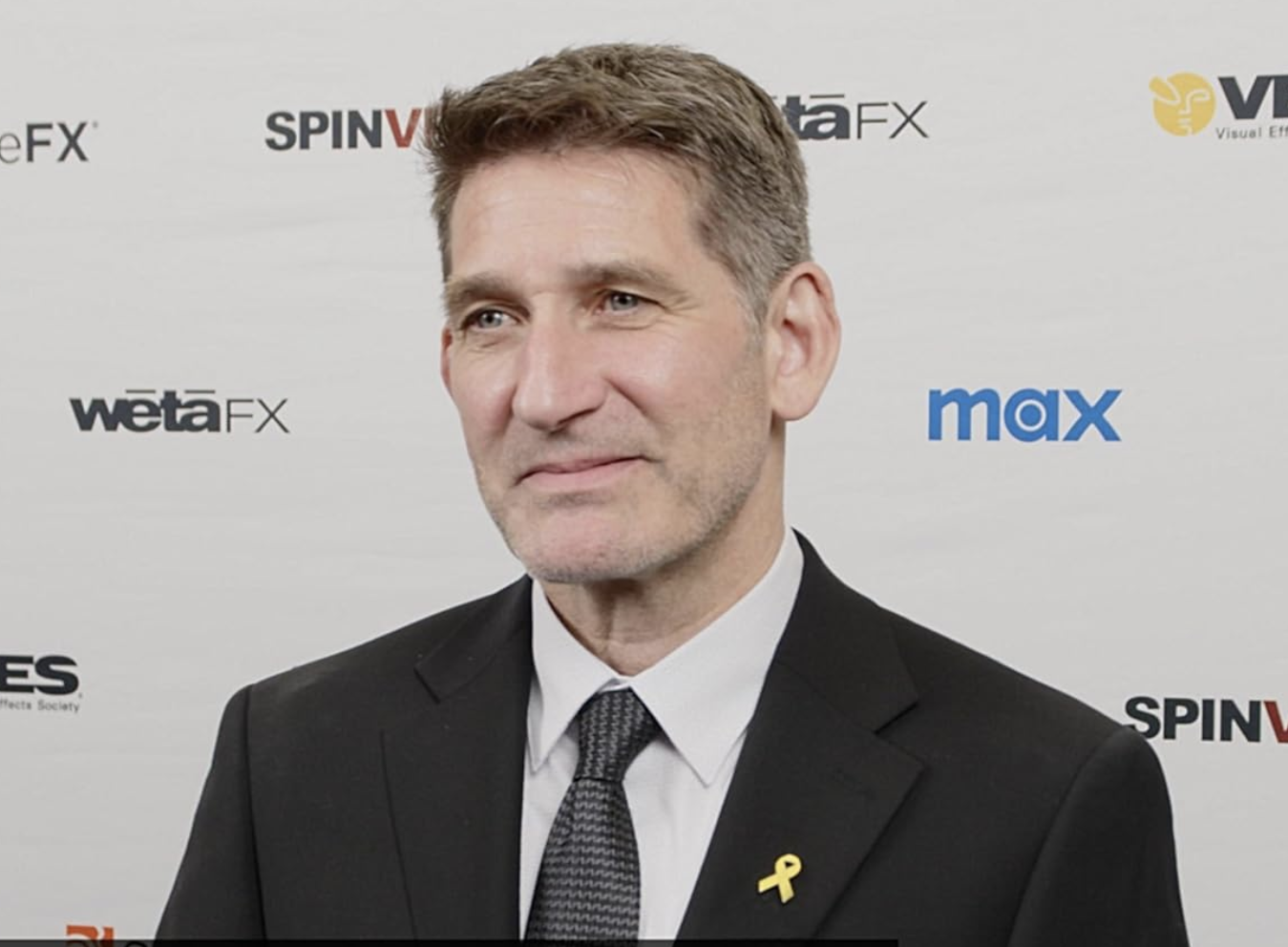
Arnon Manor
Arnon Manor is a filmmaker, director, producer and writer, and recently produced and directed the Peabody Award winning Netflix animated short, 'Cops and Robbers'. Arnon is Senior Vice President of Visual Effects Production at Sony Pictures. He also chairs the Education Committee of the Visual Effects Society, with the purpose of creating opportunities and increasing diversity, equity and inclusion in the industry through education, mentorship and outreach.
Our 6 Week Intensive Outline
-
The goal: Master the "Language of the Set" and learn to analyze shots through a technical lens.
Intro: Hakikino
Hollywood Lingo 101: Deep dive into industry terminology: "Plate," "Clean Pass," "Witness Cam," "MOS," "The Volume," "LUTs," "Tracking Markers," and "Nodal Pans."
The Technical Breakdown: Instead of writing scripts, students take existing storyboards or concept art and convert them into a Technical Shot List.
Anatomy of a VFX Shot: Understanding layers—foreground, midground, background, and the "Alpha Channel."
-
The goal: Mastering "Tech-vis" and high-level Time Management.
Pre-Visualization (Pre-vis): Using low-poly 3D models to block out complex shots. Learning how to determine lens focal lengths and camera heights before arriving on set.
Bids and Shot Breakdown & Time Management for Supervisors: Creating a "Shot Bid." Learning how to estimate labor hours for rotoscoping vs. full CG environment builds.
Pipeline Architecture: Setting up "Folder Lore"—organizing assets and naming conventions so the pipeline never breaks.
-
The goal: Using AI as a professional tool for efficiency and "Look-Dev."
AI for Concepting: Using Generative AI to create "Mood Boards" and lighting references for environments in seconds.
Technical AI Tools: Implementing AI for automated rotoscoping (Runway, Magic Mask), plate cleaning, and "In-painting" for wire removal.
Data Sovereignty: A critical discussion on Indigenous IP—how to use AI while ensuring cultural stories and designs are not fed into public datasets without permission.
-
The goal: Capturing the data that "Future You" (the editor) will need.
The VFX Toolkit: Hands-on with Chrome/Gray balls, MacBeth color charts, and 360 HDRI capture for lighting reconstruction.
On-Set Diplomacy: How to communicate with the Director and Cinematographer. Knowing when to stop production to fix a tracking marker and when to "fix it in post."
Data Stewardship: Capturing lens metadata (T-stop, focal length, focus distance) for every take.
-
The goal: Managing the "Meat and Potatoes" of the edit and VFX hand-off.
Pipeline Navigation: From Assembly Edit → VFX Work → Color Grade → Final Delivery.
Actionable Feedback: Learning to give "Notes" that are technical and specific (e.g., "Match the grain of the background plate" vs. "It looks fake").
The Review Cycle: Using tools like ShotGrid or Frame.io to track progress and approve versions.
-
The goal: Career logistics—getting the contract and delivering the goods.
The Business of VFX: Understanding "Overages," "Change Orders," and how to manage a budget when a Director asks for "one more thing."
Time Management Part II: Dealing with "The Crunch"—strategies for avoiding burnout and managing a team of artists under tight deadlines.
The Supervisor Portfolio: Building a reel that shows process (breakdowns) rather than just the final pretty picture.
-
Final Project: Present a full VFX Production Bible & Demo Reel for a short film, including technical shot lists, time-management schedules, AI concept art, and an on-set data plan.